Why Interventions Fail: The Missing Layer in Modern Medicine
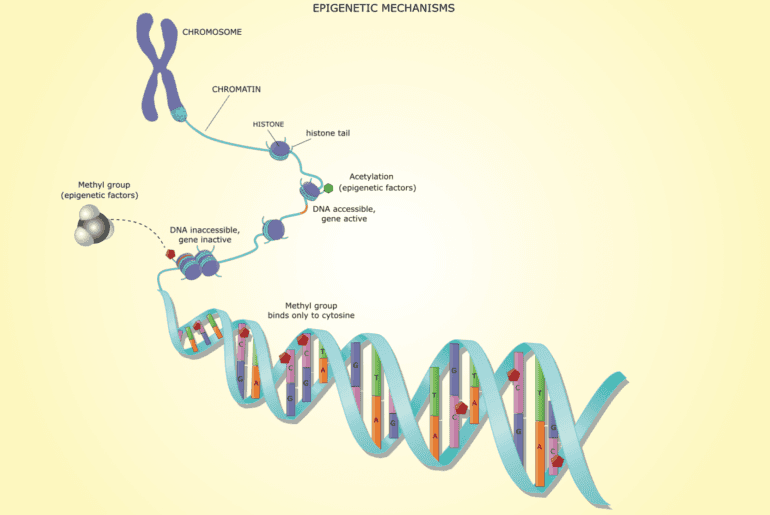
Why Interventions Fail
The same intervention can produce three different outcomes:
it works
it does nothing
it makes things worse
This pattern is so common that it is often accepted as a feature of biology. It is attributed to individual variation, compliance, or complexity.
But there is a more precise explanation.
In many cases, the intervention is not the primary variable.
The condition of the system is.
Across medicine, it is well established that biological processes are context-dependent. Cellular signaling, hormone activity, immune response, and metabolic pathways all behave differently depending on underlying conditions such as inflammation, energy availability, and redox balance.
Yet this context is rarely formalized into how interventions are applied.
Instead, interventions are treated as if their effects are intrinsic—expected to produce a consistent result if the correct target is identified.
This creates a structural mismatch between how biology works and how care is delivered.
The Missing Layer
Most models of care are built on identifying:
a deficiency
an excess
or a dysfunctional pathway
Intervention is then directed at correcting that variable.
This approach assumes that once the correct target is identified, the system will respond accordingly.
But biological systems do not respond to inputs in isolation. They respond based on their condition.
Two individuals can present with the same measurable issue and receive the same intervention, yet produce different outcomes—not because the target was incorrect, but because the system receiving the intervention was different.
What is missing is a way to account for that difference.
System State
A more accurate model begins with a simple premise:
Biological response is determined by system state.
System state can be understood as the integrated configuration of interacting physiological domains at a given moment in time. These domains include, but are not limited to:
metabolic function
inflammatory signaling
redox balance
hormonal environment
structural and tissue-level integrity
These domains do not operate independently. They form a network in which changes in one area influence the behavior of others. The resulting configuration defines the conditions under which biological processes occur.
In this model, an intervention does not act in isolation. Its effects emerge from the interaction between the intervention and the current state of the system.
The same input, applied in different states, can produce different magnitudes of response—or even different directions of effect.
Why “Correct” Interventions Fail
This helps explain a common clinical pattern:
An intervention that is biologically appropriate still fails.
Examples of this appear across domains:
Hormonal therapies that produce benefit in one context and instability in another
Nutritional interventions that correct lab values without improving function
Anti-inflammatory or antioxidant strategies that produce inconsistent or transient effects
In each case, the intervention is not necessarily incorrect.
It is being applied to a system that is not in a condition to respond.
From Targets to Readiness
Most intervention models focus on targets.
A state-based model introduces a different question:
Is the system ready to respond?
This reframes intervention from:
What should be given?
to:
Under what conditions will this work?
This shift has practical consequences:
timing becomes critical
sequencing becomes necessary
preparatory interventions may determine success more than the primary intervention itself
Failure is no longer interpreted solely as a problem of selection, but often as a problem of state.
A Different Model
If response depends on condition, then intervention must account for condition.
This suggests a different organizing principle:
Biological response is determined by system state.
System state reflects the integrated condition of the body at a given moment—the interaction of metabolic, inflammatory, and structural processes that define what the system can do.
In this model, interventions do not carry fixed effects.
They interact with the system, and their outcomes emerge from that interaction.
The question is not only whether an intervention is correct.
It is whether it is being applied under the conditions required for it to work.
date published
Mar 8, 2026
reading time
8 minutes